How to Sign Up for Free Trials Without Getting Spammed
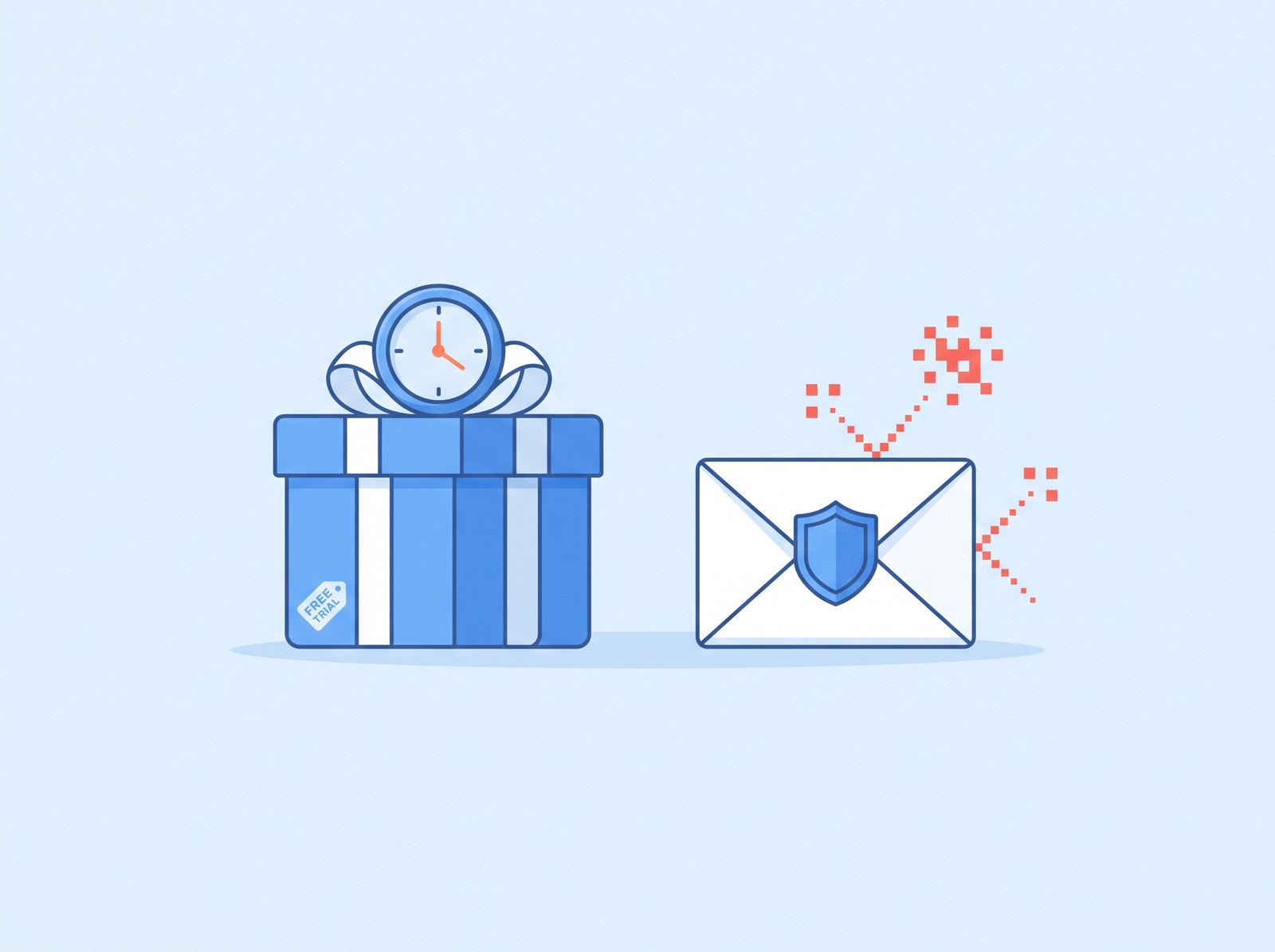
"Free trial" is one of the most common phrases in online marketing, and it works because it removes the risk of trying something new. What the sign-up page doesn't mention is the cost. Once you enter your email, you're usually on a marketing list that keeps sending messages long after the trial ends, sometimes for months.
You can avoid that. This guide shows how to test any free trial fully, decide whether it's worth keeping, and leave with no spam behind.
Why free trials lead to spam
Knowing the causes makes the problem easier to prevent.
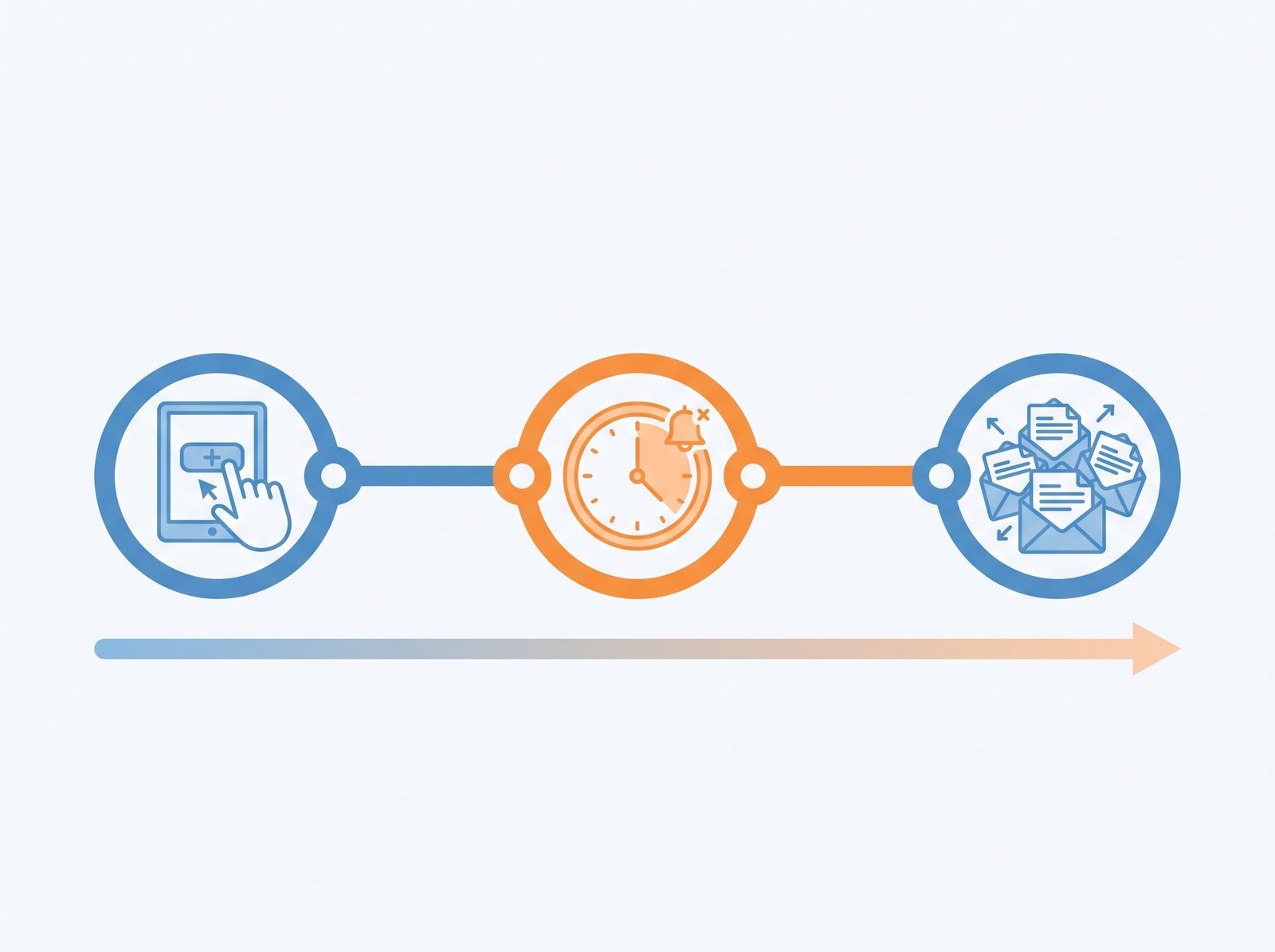
- For many companies, especially SaaS tools and subscription services, your email address is worth as much as your use of the product. Even if you never open the app again, you're now a lead in their marketing funnel.
- The emails you get during and after a trial are usually a planned sequence meant to push you toward paying: reminders, "don't miss out" messages, and limited-time discounts.
- Cancelling usually stops the billing but leaves your address on the general marketing list. You have to unsubscribe from that separately.
- Interest data attaches to your address. Once you've signed up for a productivity tool, a fitness app, or a shopping service, that category can follow your email onto other lists you never joined.
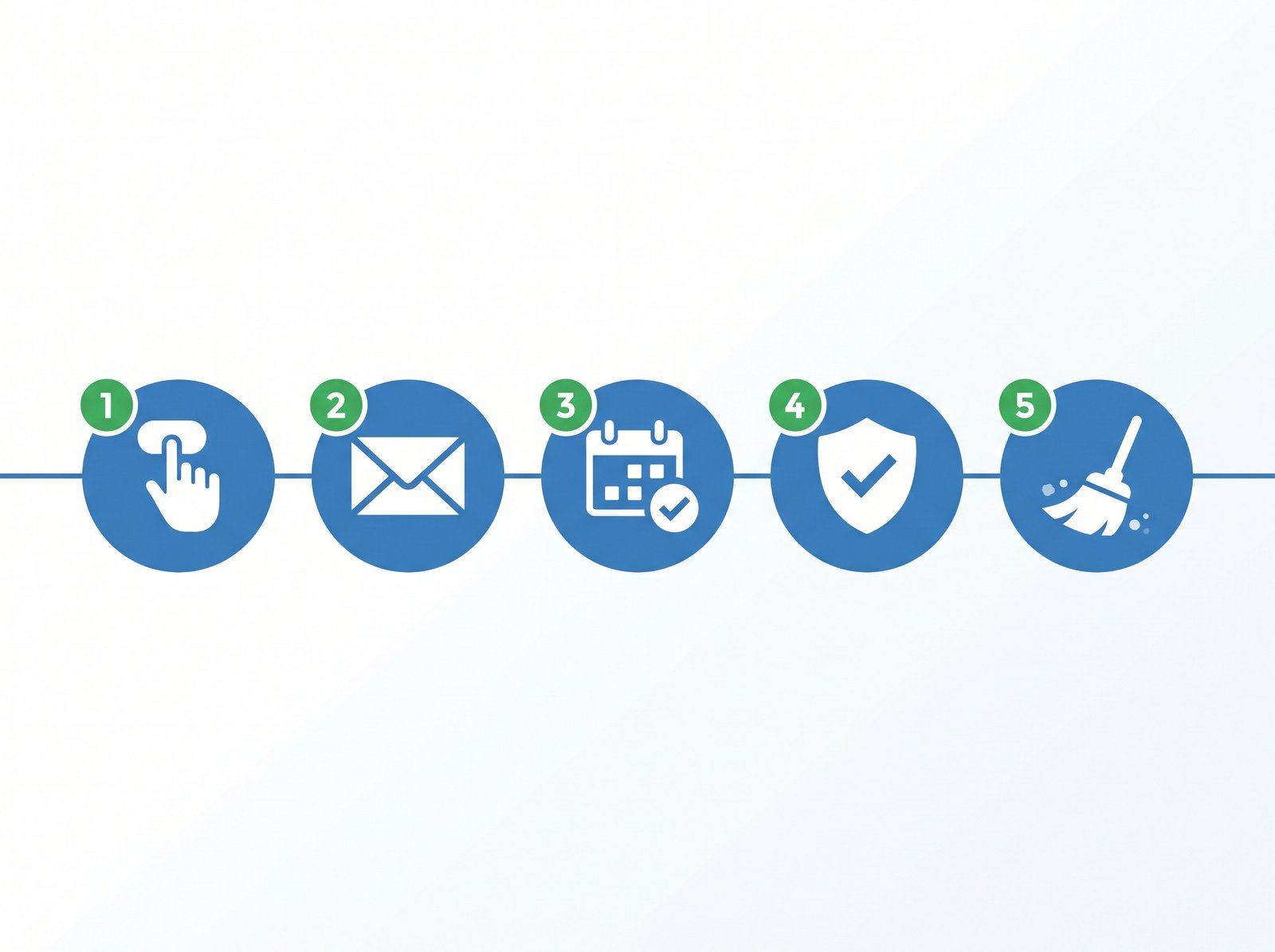
The safe free trial system: 5 steps
Step 1: Decide before you sign up whether you'll convert
Before entering anything, ask yourself honestly whether you might pay after the trial or are just curious. That decision sets your approach.
If you're seriously considering becoming a paying customer, use your real email. You'll want ongoing access, support messages, and billing records tied to an address you check.
If you're testing out of curiosity or for a one-time need, treat the email field as disposable from the start.
Step 2: Use a temporary email for anything you're just testing
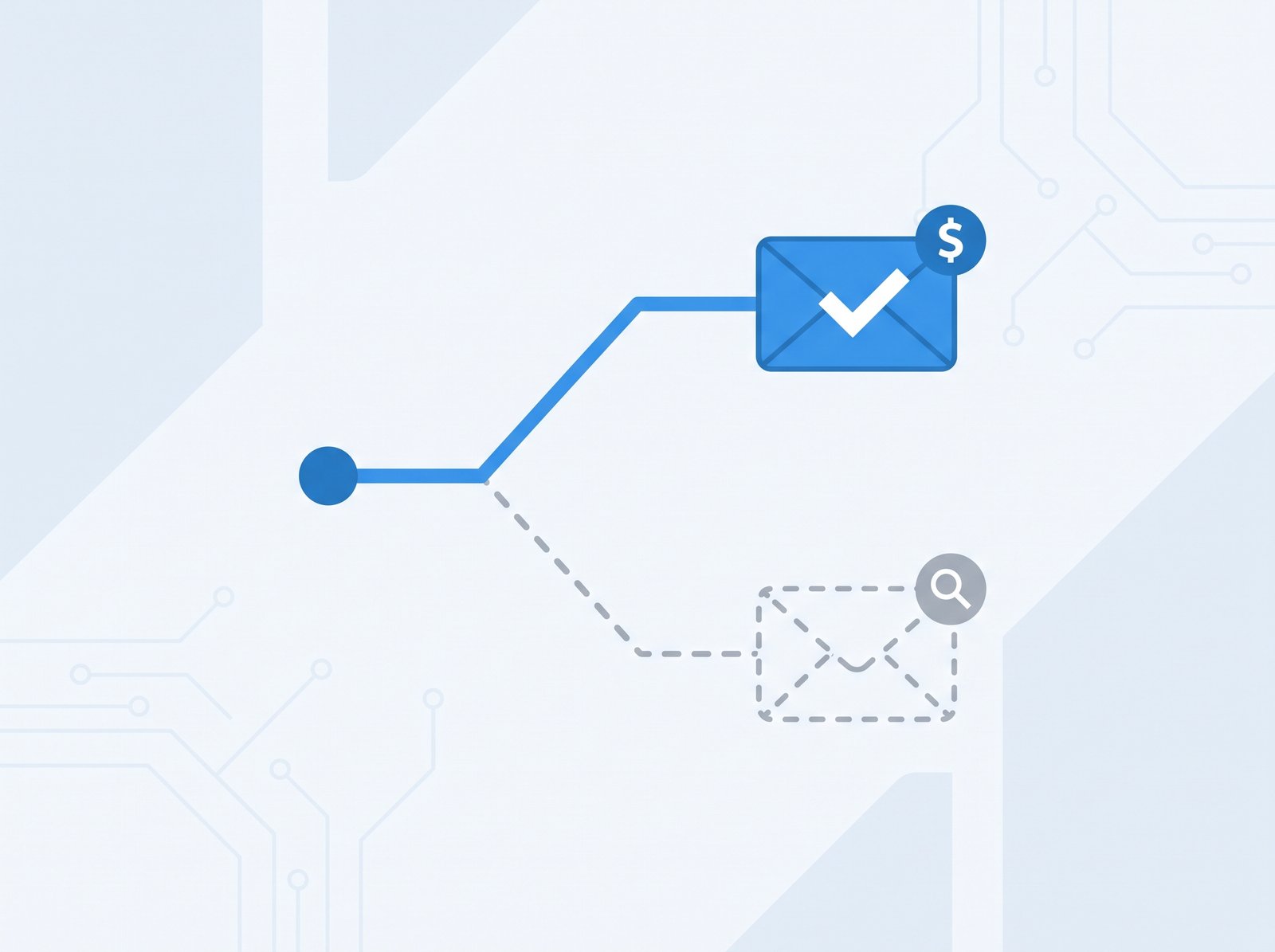
A temporary email is the most useful tool in this system. Generate a disposable address and sign up with it, and the marketing emails have no long-term inbox to land in.
It works well for:
- Software trials you're comparing against competitors
- One-time tools such as file converters, design generators, and PDF editors
- Services you found through an ad and don't trust yet
- Trials that ask for a credit card but claim "cancel anytime" (see Step 4)
Step 3: Set the reminder outside your email
Many trials convert to paid subscriptions automatically if you don't cancel in time. Relying on the company's own reminder is risky. That email can get buried, or if you used a temporary address, the inbox may expire before the email arrives.
Instead:
- Set a calendar reminder or phone alarm 1 to 2 days before the trial ends.
- Write down the exact cancellation deadline somewhere outside your inbox.
- If you use a temporary email with a flexible lifespan, like Tempya, keep the inbox active until after that date in case you need the confirmation.
Step 4: Take extra care with trials that require a credit card
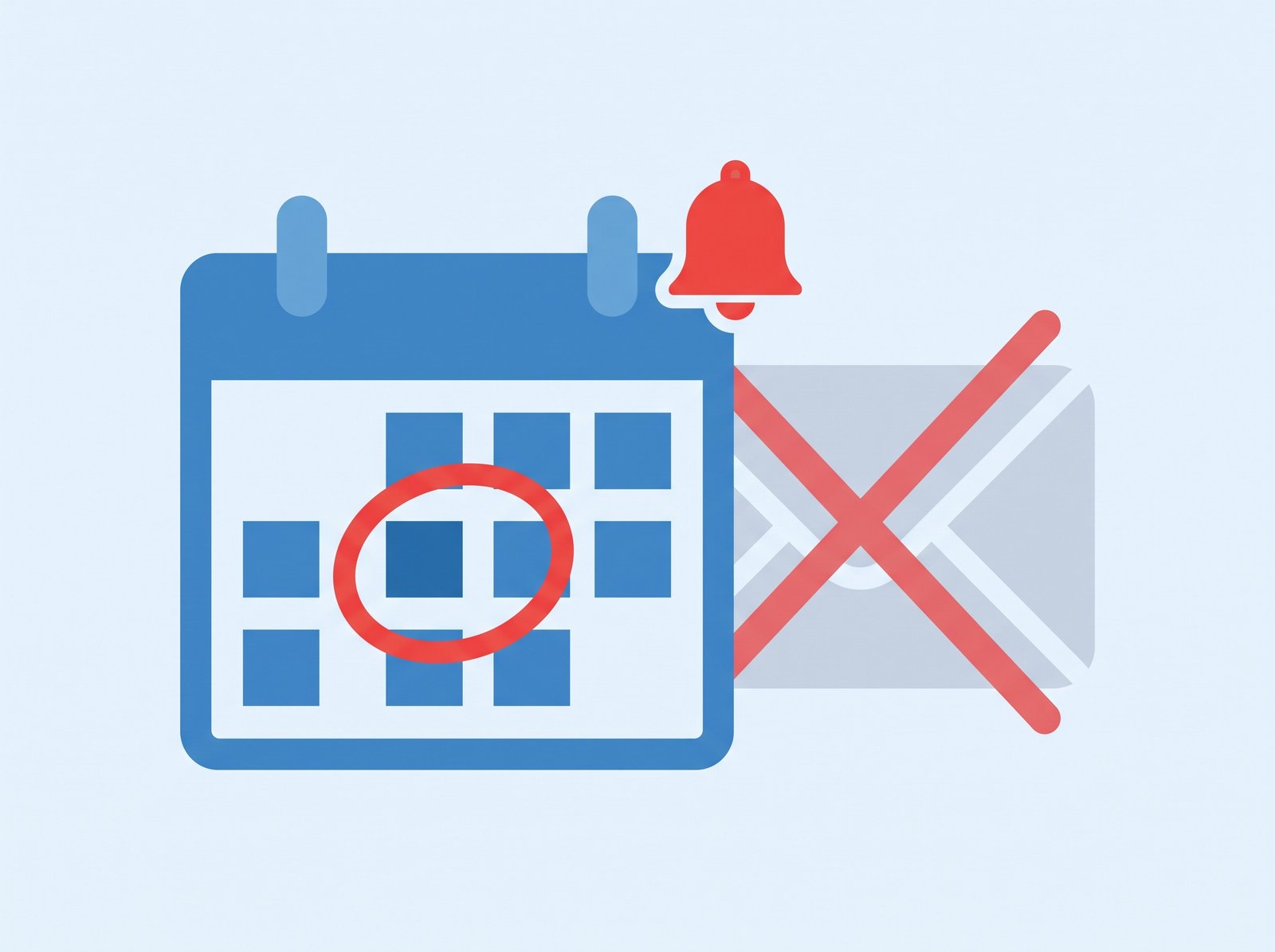
A temporary email doesn't fully protect you here. When a trial asks for payment details up front, the main danger is an unwanted charge if you forget to cancel. So:
- Use a virtual card number with a spending limit if your bank supports it.
- Still use a temporary email to skip the marketing emails.
- Put the cancellation deadline somewhere you'll see it. Missing it costs money, not just inbox space.
Step 5: Clean up after the trial
If you used your real email for a trial you've decided not to continue:
- Use the unsubscribe link in the most recent marketing email.
- Check your account settings. Many services have a separate "communication preferences" section beyond the main unsubscribe link.
- If emails keep coming, mark them as spam so your provider's filter learns to catch them.
Our guide on how to stop spam emails forever covers the full strategy for keeping your inbox clean beyond free trials.
Putting it all together: a quick decision framework
Next time you see a "Start Free Trial" button, ask yourself:
- Am I likely to pay for this? Real email if yes, temporary email if no.
- Does it require a credit card? If yes, set a visible cancellation reminder whichever email you use.
- Am I just testing or comparing options? Use a temporary email.
Repeated consistently, this habit keeps months of "we miss you" emails from tools you tried once and forgot from piling up in your inbox.
(FAQ)
Will a company know I used a temporary email for their trial?
Some services block known disposable domains at sign-up, but many don't check closely, especially for non-critical sign-ups. A service with varied domains, like Tempya, lowers the chance of being blocked.
What if I need to receive a password reset during the trial?
As long as your temporary inbox is still active, password resets and verification codes arrive just as they would in a regular inbox.
Is it legal to use a temporary email for free trials?
Yes. A disposable address isn't illegal; it just isn't tied to your permanent identity. Check that a service's terms don't explicitly prohibit it, which is rare but worth a quick look for services you plan to use seriously.
What's the biggest mistake people make with free trials?
Relying on the company's own reminder email to cancel in time. It's a problem if that email lands in spam, or if your temporary inbox is no longer active when it's sent.
Should I ever give a credit card number to a free trial?
Only if you're genuinely interested in the service and have a reliable way to track the cancellation deadline, ideally a calendar reminder set independently of email.
Free trials are one of the best ways to test a product before committing ,but only if you control the terms. With a quick decision at sign-up (real email or temporary) and a reminder set outside your inbox, you get the full benefit of every trial with none of the long-term spam. Next time you're about to type your email into a trial sign-up, consider grabbing a free temporary address from Tempya first ,it takes seconds, and your inbox will thank you later.